
Ingham's Re-refining Oil Partnership with Glide
14 October, 2026
FROM WASTE TO RESOURCE: THE SURPRISINGLY USEFUL AFTERLIFE OF USED ENGINE OIL
Used engine oil is an inevitable by-product of vehicle servicing. Across Ingham’s service workshops, the oil drained and replaced during routine servicing adds up to a significant volume each year.
Most of us probably don’t give much thought to where it goes next. The answer matters more than you might think.
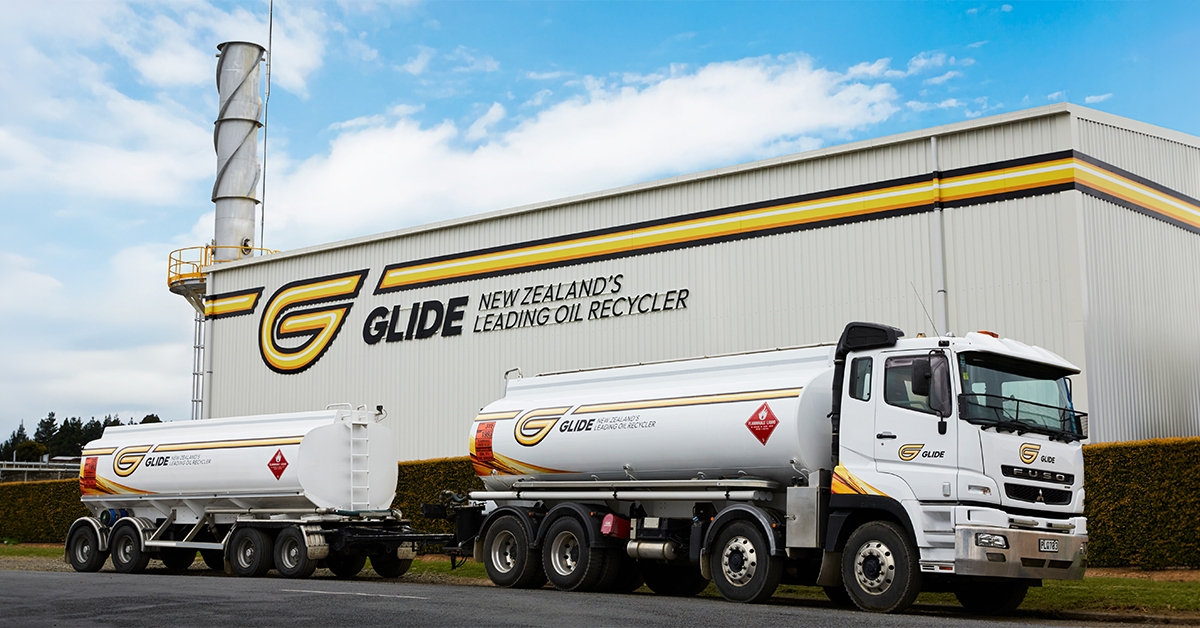
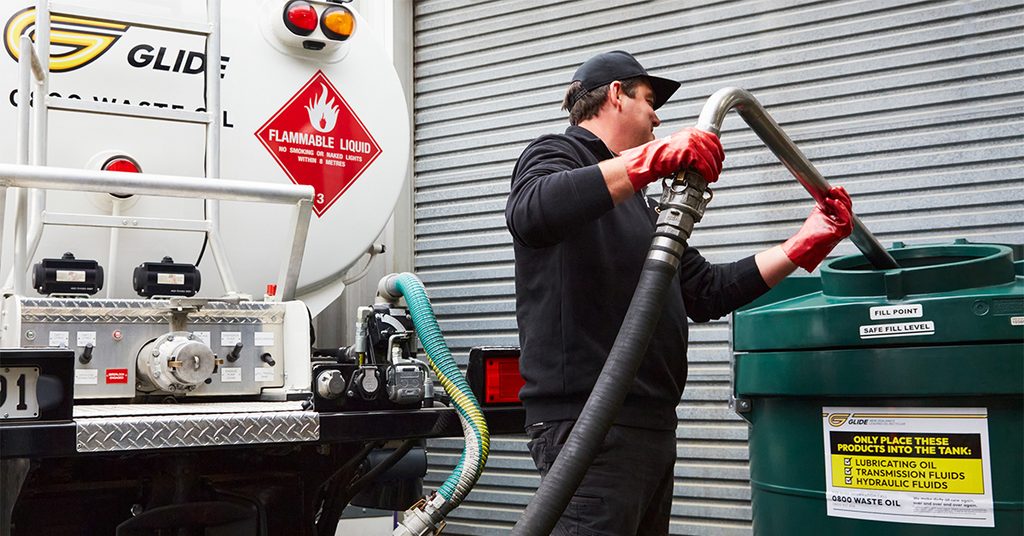
As part of our focus on reducing waste and improving the environmental impact of our day-to-day operations, Ingham has partnered with Glide, a New Zealand waste oil specialist. Glide collects and re-refines used oil from our workshops, providing an alternative to the traditional pathway of processing waste oil for use as burner fuel.
Giving old oil another life.
Used engine oil may have reached the end of its time in a vehicle, but the oil itself still has value.
Through a multi-stage re-refining process, Glide removes water, contaminants and other impurities from the used oil, allowing valuable base oil to be recovered and used again in the production of lubricants.
According to Glide, around 70% of used lubricating oil can remain as recoverable base oil, meaning there’s still considerable value in what might otherwise be regarded as waste. Re-refining allows that resource to be recovered and put back to use rather than ultimately consumed as fuel.
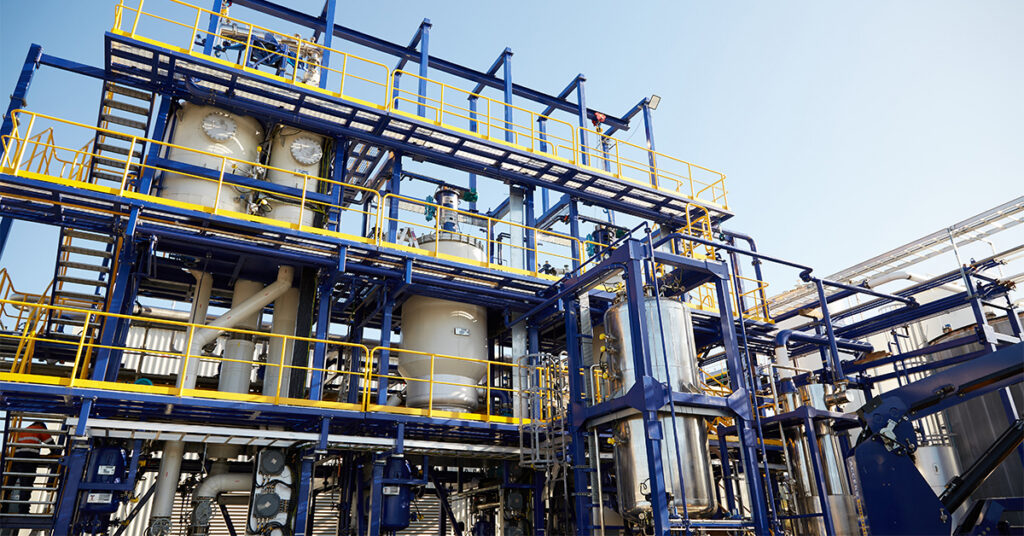
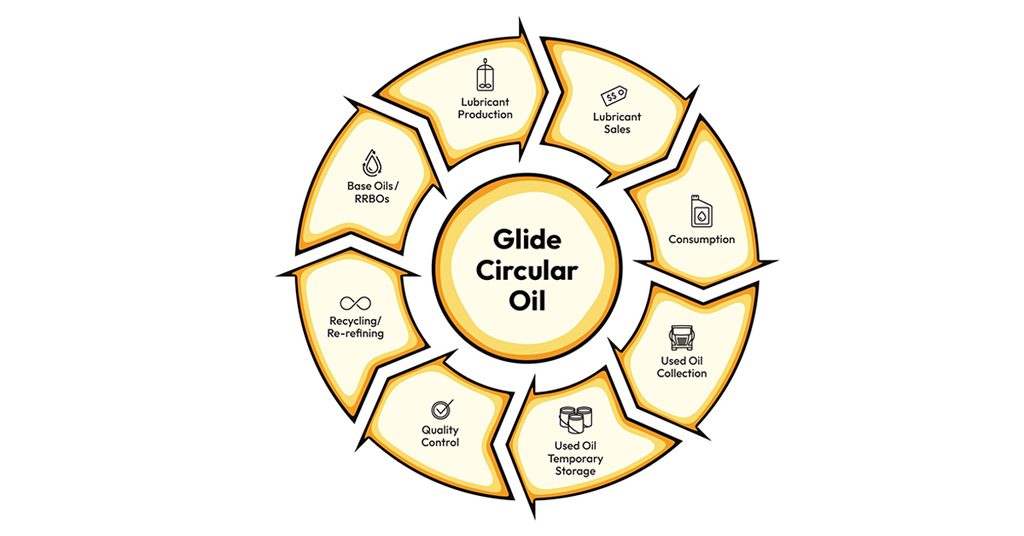
And here’s the clever part: the cycle doesn’t have to end there. The oil can be collected and re-refined repeatedly, keeping this valuable resource in circulation for longer.
It’s a different way of thinking about waste oil, not simply as something to dispose of, but as a resource that can have another useful life.
Looking beyond the showroom
Sustainability within a large automotive business extends well beyond the vehicles we sell. It also means paying attention to what happens behind the scenes, particularly across busy service and parts operations.
With workshops across the North Island servicing thousands of vehicles, changes to everyday processes can add up. The partnership is one of those changes, providing a more considered approach to managing one of the automotive industry’s most common waste products.