
Do Hybrids Really Save Money?
16 March, 2026
Do Hybrids Really Save Money? A New Zealand Driver’s Guide
With petrol prices in New Zealand climbing again and fuel costs becoming a bigger part of household budgets, many drivers are asking the same question: Do hybrid cars actually save money?
Hybrid vehicles – which combine a petrol engine with an electric motor – have become increasingly popular across New Zealand. But while they are often marketed as cheaper to run, the real answer depends on how you drive, what vehicle you choose, and how long you keep it.
Here’s a balanced look at whether hybrids really save money for Kiwi drivers.
Petrol Prices Are Driving the Conversation
Fuel prices are a major factor behind the surge in interest in hybrid and electric vehicles. As of early 2026, petrol in New Zealand sits at roughly $3 per litre on average (though prices vary by region and can fluctuate depending on global oil markets).
With fuel accounting for one of the biggest running costs of owning a car, even small improvements in fuel economy can make a noticeable difference over time.
How Hybrids Save Money
1. Lower fuel consumption
The biggest financial benefit of hybrids comes from better fuel efficiency.
Typical fuel consumption comparisons in New Zealand show:
| Vehicle type | Typical fuel use* |
| Petrol car | 7–9 L/100km |
| Hybrid car | 3.5–4.5 L/100km |
This means hybrids can use 30–50% less fuel than comparable petrol cars, particularly in city driving where stop-start traffic allows the electric motor to assist more often.
For a driver travelling 15,000 km per year, the difference can be significant:
- Petrol vehicle fuel cost: $2,600–$3,000 per year
- Hybrid vehicle fuel cost: $1,300–$1,700 per year
That equates to around $1,000+ annual fuel savings for many drivers.

2. Potentially lower maintenance costs
Hybrid vehicles can also reduce some maintenance costs. For example:
- The electric motor reduces engine load.
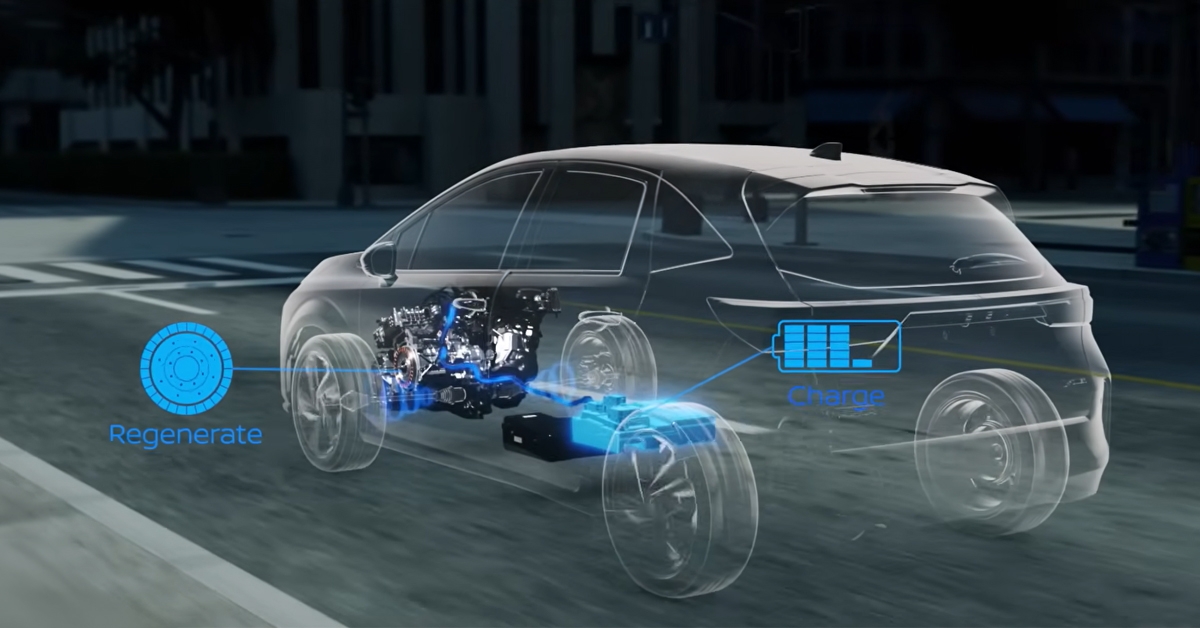
- Regenerative braking helps slow the car, meaning brake pads may last longer.
- The petrol engine may run less frequently in city driving.
Because of this, hybrids can sometimes have lower long-term servicing costs compared with conventional petrol vehicles, although maintenance requirements still vary by model.
3. No charging required (for standard hybrids)
Unlike full electric vehicles, PHEV’s and Super Hybrids, standard Hybrids (HEVs) charge their batteries automatically while driving. This means:
- No charging cables.
- No home charger installation.
- No range anxiety for long trips.
For many Kiwi households, this convenience makes hybrids an easy transition away from pure petrol vehicles.
When Hybrids Save the Most Money
Hybrids tend to deliver the biggest financial benefit for drivers who:
- Drive frequently in city traffic.
- Do lots of short trips.
- Travel 15,000 km or more per year.
In these conditions, the electric motor is used more often, reducing fuel consumption significantly. For urban commuters in cities like Auckland, Hamilton or Wellington, hybrids can often be one of the most cost-effective vehicle types available.
The Other Side of the Equation
While hybrids can reduce running costs, they are not automatically the cheapest option for every driver.
1. Higher purchase price
Hybrid vehicles typically come with more technology, so sometimes they cost a little more upfront than equivalent petrol models, although fuel savings can offset this over time.
2. Motorway driving reduces savings
Hybrid systems deliver their biggest advantage in stop-start city traffic, which is what most of us drive in. On long motorway drives, the petrol engine does most of the work, which may result in the fuel economy advantage shrinking compared with urban driving.
3. EVs may offer even lower running costs
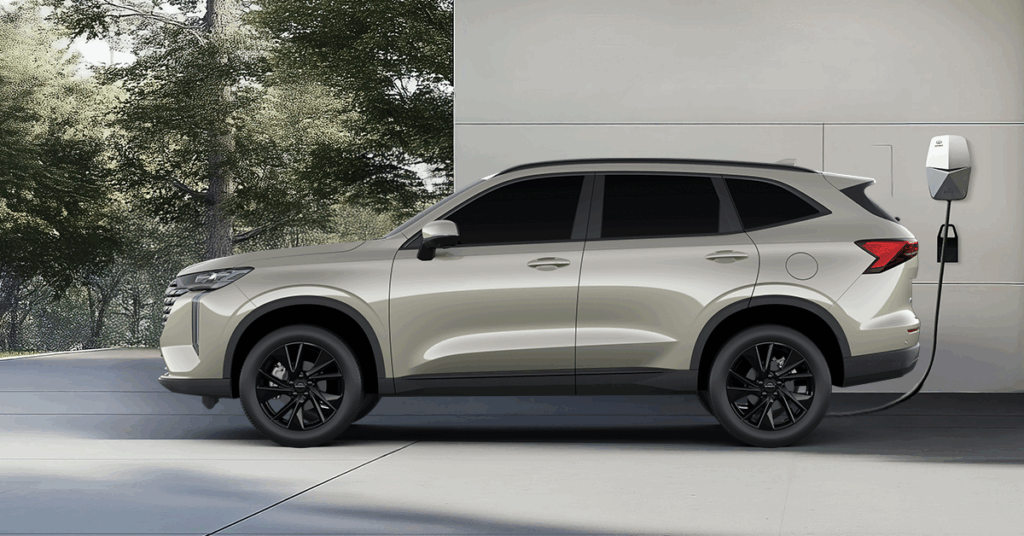
While hybrids can reduce fuel costs, fully electric vehicles (EVs) often have the lowest running costs overall. For example, according to Auto Trader, estimates suggest:
- EV charging can cost around $3 per 100 km
- Petrol vehicles may cost around $12 per 100 km for the same distance.
However, EVs usually have a slightly higher purchase price, which is why hybrids remain a popular middle ground for many Kiwi drivers.
The Verdict: Do Hybrids Really Save Money?
For many New Zealand drivers, yes – hybrids can save money, particularly if you:
- Drive regularly.
- Spend time in city traffic.
- Keep your vehicle for a few years.
The fuel savings alone can reach $1,000 per year or more, which can quickly offset a higher purchase price.
However, the best option still depends on your individual driving habits. For some drivers, a petrol vehicle may still be the cheapest upfront choice, while others may benefit more from a plug-in hybrid or full electric vehicle.
If you are still undecided, talk to one of our team. Even better, take a Hybrid, PHEV or EV out for a test drive.
Get in touch with your local Ingham Dealership
Mercedes-Benz Auckland
2 Great South Road, Newmarket, Auckland 1050

Ingham-Sears
55 Totara Street, Mt Maunganui, Tauranga 3116

Nissan | Ingham West Auckland
261 – 263 Lincoln Road, Auckland 0610

Ingham North Shore
159 Wairau Road, Glenfield, Auckland 0627
Ingham Tauranga
619-627 Cameron Road, Tauranga South, Tauranga 3112

*Sources
Petrol prices: https://www.globalpetrolprices.com/New-Zealand/gasoline_prices/
Car fuel costs: https://www.cars.org.nz/post/is-it-worth-buying-a-hybrid-car-in-new-zealand-in-2026
Hybrid vs PHEV: https://autotrader.co.nz/news/hybrid-vs-plug-in-hybrid-what-is-the-difference
EVs vs Petrol: https://autotrader.co.nz/advice/evs-vs-petrol-cars-which-is-best
Family driving options: https://www.onlycars.co.nz/buyer-tools/petrol-vs-hybrid-vs-electric-family-driving
Article by Paul Curry