

Super Hybrid for New Zealand drivers
25 September, 2025

Chery is positioning its “Super Hybrid” system as a flexible gateway into electrified driving for New Zealand drivers. Unlike many plug-in hybrid models, Chery’s solution is designed to deliver meaningful efficiency whether the vehicle is plugged in or driven purely on fuel.
What is the Super Hybrid system?
Chery describes its Super Hybrid setup as “three cars in one” — capable of operating as an EV, a conventional hybrid, or a petrol vehicle. The system pairs a substantial battery with a direct-drive transmission, allowing the car to retain efficiency even if the owner never charges it.
In tests, real-world fuel consumption has dropped to as low as 4.7 L/100 km, with a combined petrol-plus-charge driving range reaching approximately 1,200 km.
This flexibility is especially relevant for New Zealanders concerned about limited charging infrastructure or time constraints when charging.
How Chery supports its New Zealand ambitions
Chery emphasises that it is not operating via a fringe distributor; instead it functions as a fully backed factory entity. The brand states that it holds NZ and Melbourne-based parts stock valued at NZ$30 million, and that 98 percent of replacement parts are available within two days.
The move comes after past criticism of earlier Chery offerings in New Zealand. The company now points to substantial investment in research, automation, and manufacturing, supported by a global engineering workforce and high production volumes.


Safety, technology and the path ahead
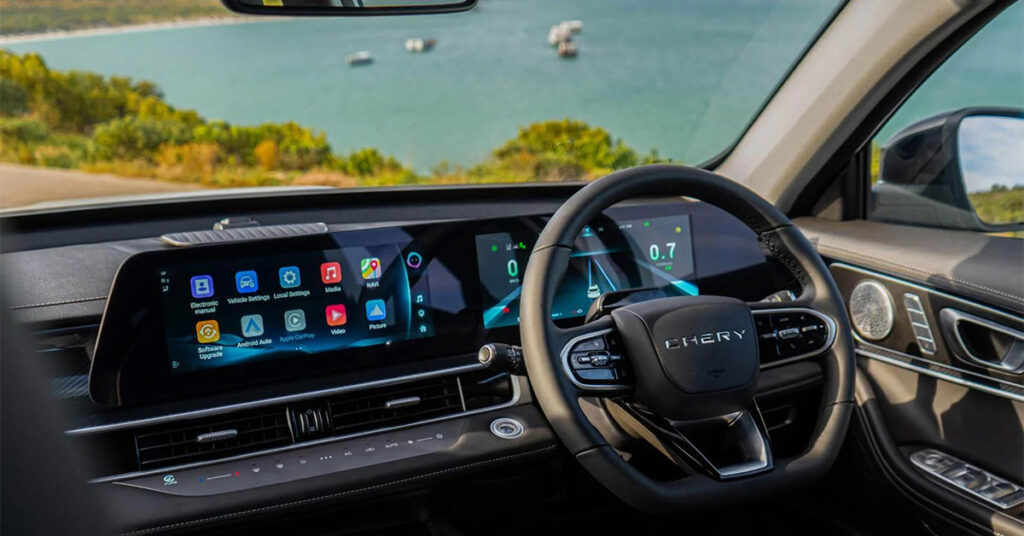
The current Tiggo line in New Zealand has advanced driver assistance systems, connectivity features, over-the-air updates and infotainment setups. Chery says it aims to balance high specification with affordability, making premium features more accessible.
For many car buyers uncertain about fully embracing EVs, Chery envisions the Super Hybrid as a transitional technology offering EV-style driving without range anxiety or strict charging habits. Whether it succeeds in shifting perceptions remains to be seen — but it introduces a compelling option in New Zealand’s evolving automotive landscape.